
You just signed a contract for a very lucrative flip opportunity. You bought the house at a price lower than you expected. It’s in a great neighborhood where fix and flip homes have sold quickly. Buyers are buying at a premium and fast. You’re ready to start work. What’s next?
How Do You Get a Rehab House on the Market Fast? 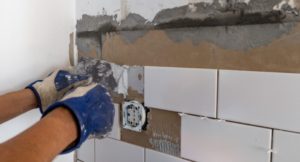
The secret: a job sequencing spreadsheet.
It’s nothing sexy, but it works magic. One recent house flipping project with a larger rehab was completed within three weeks and that included downtime for holidays. A big part was the job sequencing spreadsheet was right on target.
What is a Job Sequencing Spreadsheet for House Flipping?
A job sequencing spreadsheet in house flipping lays out all home repairs and rehab work on one spreadsheet. The goal is to see what parts of the job must start first, which rely on another to be completed, and what work can be done simultaneously.
The spreadsheet may include:
- Project categories
- Work to be done within each category
- Contractors or companies to complete the necessary work
- Start date and finish date of each project
- Any other necessary fields to effectively see the entire home rehab project
- Color coding for any portions behind schedule
The 4 Steps to Creating the Most Efficient Timeline for a Property Rehab
- Create your job sequencing spreadsheet first. You must have a plan in place before you start the demolition. All work should be sequenced and scheduled with strict start and finish dates before any work begins. As soon as you sign a contract for a property, start your job sequencing spreadsheet.
- Schedule all contractors ahead of time. Schedule your contractors and projects based on the spreadsheet and stick to the deadlines. “The order is critical, especially if you are using different contractors. Have this plan in place before you start the work,” advises Jeff Johnson, Director of Lending at Catalyst Funding, Houston.
- Accurately estimate project timelines. You need to know how long a project will take. You’ll get better at this with experience; however, in the meantime, do your research before the rehab work begins. Turn to your mentors in the real estate industry and house flipping articles as well.
- Hire reliable people. Whether a general contractor or individual contractor, you need to have a reliable network of people you can count on to get the job done as scheduled (By the way, we strongly starting using a general contractor until you get more experience). When new to house flipping and property investing, take time to network and align yourself with the right wholesalers, lenders and contractors. Look for partners who understand property investing and the importance of time management.

Dallas–Fort Worth Real Estate Investors: Why Q3 2026 Is the Buying Window You’ve Been Waiting For
Dallas–Fort Worth is not a single market — it’s three or four different markets moving at different speeds, and that is exactly where the opportunity lives for real estate investors in Q3 2026.This complete guide walks Dallas, Plano, Fort Worth, McKinney, and outer-ring county investors through the three-speed market dynamic, current employment forecasts, submarket-specific strategy for flips, rentals, and wholesalers, and why the corporate anchor story matters more than the short-term price story.

10 Questions First-Time Real Estate Investors Are Afraid to Ask
Every question a first-time Texas real estate investor is thinking about: from “what if I can’t sell it?” to “how much money do I really need?” – answered honestly and clearly.

HELOC for Real Estate Investors: A Complete Guide to Funding Your Next Deal With Equity You Already Have
Many investors overlook a resource they already own. This guide breaks down how a HELOC turns built-up equity into capital for a down payment, a rehab budget, or the cash needed to qualify for a hard money loan, often without investors realizing how much they already qualify for.

How to Pull Comparable Sales for Real Estate Investment Properties in Texas: A Complete Framework
Learn how to pull, evaluate, and adjust comparable sales like an experienced Texas real estate investor: from neighborhood searches to lot size, school districts, and the mistakes that undermine valuation accuracy.